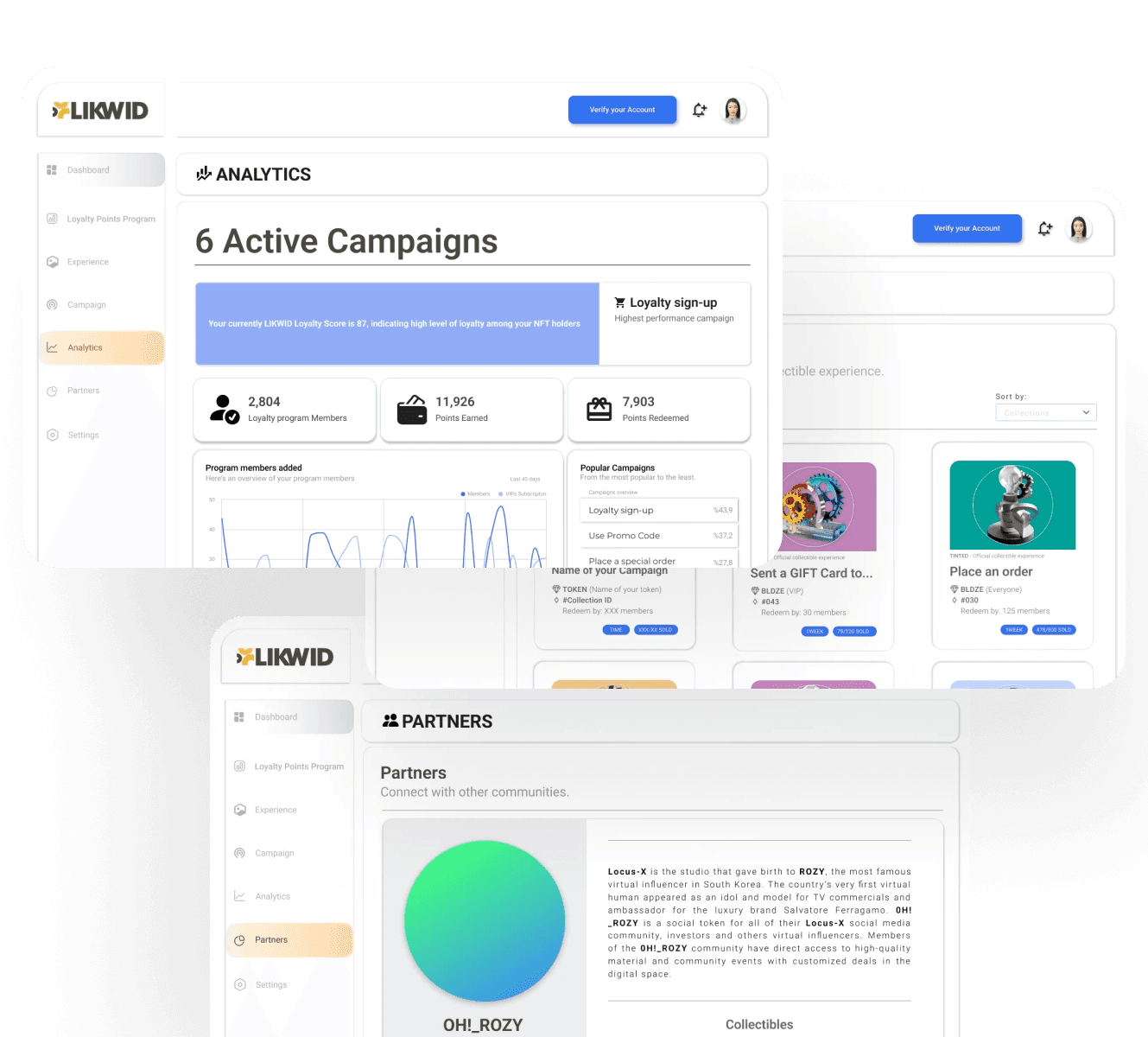
API-First Loyalty Point Program' Software
Challenge

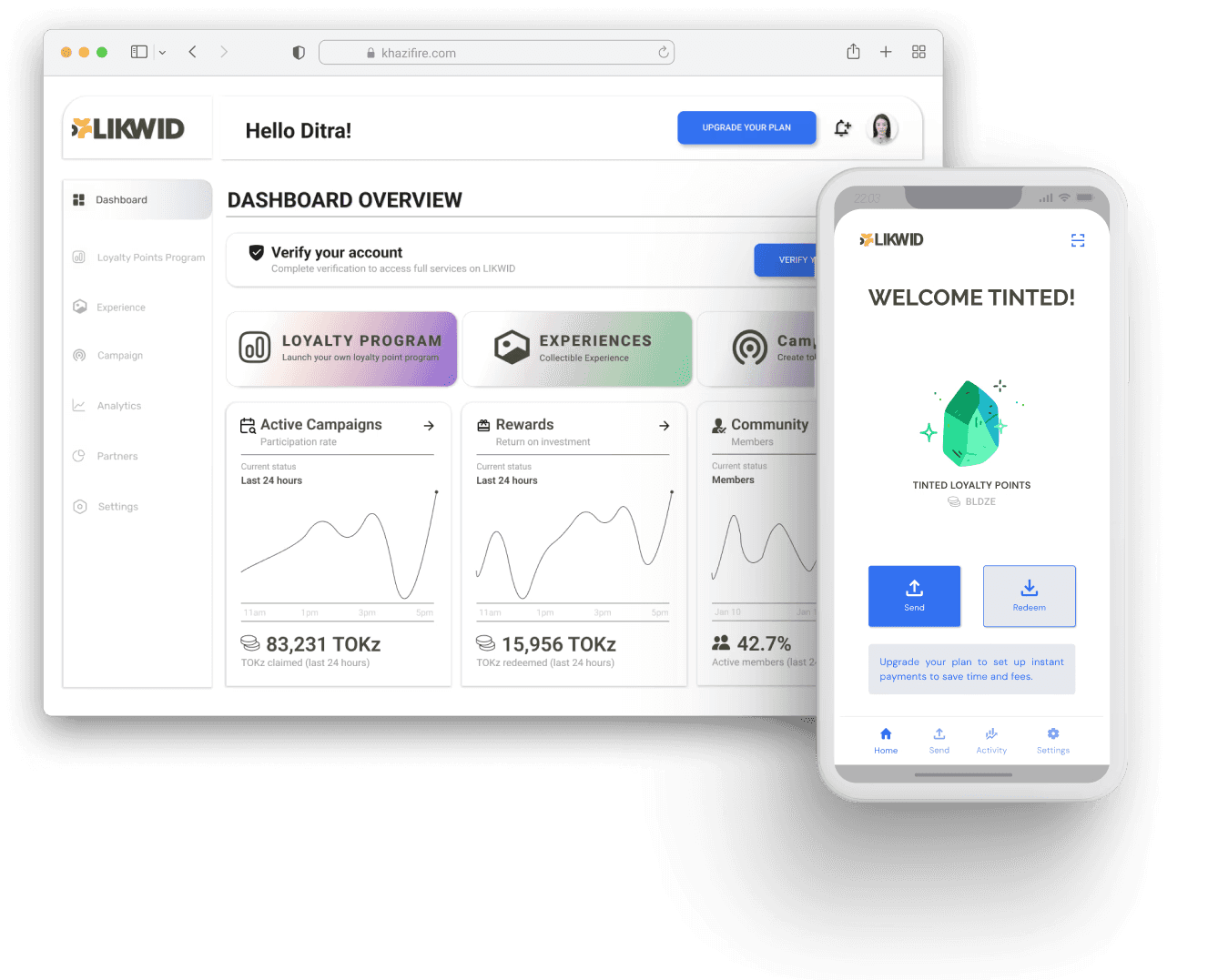
I was asked to come up with a design solution: a system for business owners to set up a Loyalty Program for their customers. This also included making it work smoothly for the customers who use the loyalty program through the business’s custom-branded mobile apps.

Industry

Cryptocurrency

The team

The team

The team

Product lead, PO, 2 Devs, 1 Product Designer

My Role

My Role

My Role

Product Designer

Sometimes context is necessary…

LIKWID stands out as a modern and flexible loyalty platform designed for seamless integration. This platform offers access to member data, initiates targeted campaigns, and oversees rewards management so brands can create loyalty programs, handle intricate loyalty modules, or enhance their SaaS products and mobile apps.


In a nutshell, LIKWID is an app for businesses that want to create and manage loyalty programs using secure blockchain technology. It helps keep customers engaged and coming back, which in turn helps the business grow. It's designed to be easy to use and customizable to fit the brand of any business.

Project development

Project development

To achieve the best user experience, I've defined the scope of the project by breaking it down into these stages of development:

To achieve the best user experience, I've defined the scope of the project by breaking it down into these stages of development:

Stage 1

Stage 1

Discovery

Research - Clarifying the plan

Research - Clarifying the plan

Research - Clarifying the plan

On this occasion, I was asked to come up with a design solution for one of their most crucial functionalities: a platform flow for

  • Business owners who want to implement a Loyalty Program into their business and,

  • The Loyalty members of a client in their white-label mobile apps. This will be our two core user groups

  • Business owners who want to implement a Loyalty Program into their business and,

  • The Loyalty members of a client in their white-label mobile apps. This will be our two core user groups

  • Business owners who want to implement a Loyalty Program into their business and,

  • The Loyalty members of a client in their white-label mobile apps. This will be our two core user groups

With that in mind, we started noticing that defining the types of users for LIKWID was crucial for the creation of the product in an early stage.

My job not only involved defining these users but also understanding the use and management of Loyalty Point Programs within the economic sector we were targeting, identifying the gaps and needs our product would address, and defining the design objectives that needed to be tackled immediately. To achieve this, I conducted two rounds of interviews.

Interview with

Business Owners:

The first round of interviews with business owners interested in loyalty programs revealed several key challenges:

• Clarifying business goals and designing an effective reward structure.

• Creating strong incentives that drive buying behavior without reducing profit margins.

• Incorporating gamification elements and making it easy for customers to engage with the loyalty programs

Interview with

Customers:

The second round of interviews with users actively participating in loyalty points programs revealed several key takeaways:

• Desire for a personalized, easy-to-redeem experience with relevant, meaningful rewards.

• Appreciation for systems where rewards are automatically applied and easy to track.

• Preference for engaging with companies whose values align with their own.

Both points of view were crucial for the study because they brought me a new perspective on the project I wasn't expecting: On one side, business owners want a product that is quick and easy to adapt to their business model, on the other side customers want an easy-to-redeem experience that they can track and exchange with no problem.

Both points of view were crucial for the study because they brought me a new perspective on the project I wasn't expecting: On one side, business owners want a product that is quick and easy to adapt to their business model, on the other side customers want an easy-to-redeem experience that they can track and exchange with no problem.

Both points of view were crucial for the study because they brought me a new perspective on the project I wasn't expecting: On one side, business owners want a product that is quick and easy to adapt to their business model, on the other side customers want an easy-to-redeem experience that they can track and exchange with no problem.

The Challenge

The Challenge

The Challenge

Implementing a new loyalty points system can lead to customer resistance, technical challenges, and significant costs”.

“Implementing a new loyalty points system can lead to customer resistance, technical challenges, and significant costs”.

“Implementing a new loyalty points system can lead to customer resistance, technical challenges, and significant costs”.

As part of the evaluation of future features in the platform, I was conducting research* with the PM of the team, and during that assessment, we found out that:

Implementing a new loyalty points system in a business offers several benefits but comes with notable risks.

Key concerns include:

Key concerns include:

Key concerns include:

  1. Customer resistance, as changes in familiar systems can lead to decreased engagement if the new system appears complex.

  1. Technical challenges, such as integration issues, bugs, and potential downtime, can disrupt customer experience and trust.

  1. Additionally, significant costs for software development, staff training, and ongoing support must be considered, potentially straining financial resources.

The challenge of this project is to solve common problems for businesses that want to create and use their own loyalty points programs. LIKWID uses advanced technology to give customers more control over their loyalty points and provides a simple solution for businesses to easily set up and manage these programs within their current systems.

The challenge of this project is to solve common problems for businesses that want to create and use their own loyalty points programs. LIKWID uses advanced technology to give customers more control over their loyalty points and provides a simple solution for businesses to easily set up and manage these programs within their current systems.

The challenge of this project is to solve common problems for businesses that want to create and use their own loyalty points programs. LIKWID uses advanced technology to give customers more control over their loyalty points and provides a simple solution for businesses to easily set up and manage these programs within their current systems.

Stage 2

Stage 2

Define

The Objetives

The Objetives

The Objetives

To mitigate these risks, I took into consideration all the information gathered in the research and created some HMW q’s that helped quick off design process:

How might we design a digital-first loyalty experience to engage new and existing customers to drive brand loyalty?

How might we design a digital-first loyalty experience to engage new and existing customers to drive brand loyalty?

Essentially, we want to help the two user groups perform their tasks efficiently and easily. Merchants should be able to create and launch a campaign without obstacles while facilitating this process effectively, and customers should be able to redeem their points as easily as possible.

  1. Reduce number of forms.

To lessen the "digital carbon" from the myriad of duplicate forms, our product will ensure the merchants and customers fill out information as few times as possible.

  1. Making rewards available and easy to apply to digital or physical store purchases.

Provides a flexible, easy-to-use solution for reward redemption that works seamlessly across all shopping environments, increasing customer satisfaction and reward usage.

What is the typical user flow at LIKWID?

What is the typical user flow at LIKWID?

What is the typical user flow at LIKWID?

Prioritize

Prioritize

Prioritize

After having a general view of the main goals LIKWID wanted to target in this project, the services that offers, ideal clients, and agreements regarding the priorities, needs, and pains of the business, I had enough information to begin to outline the product. However, within our strict timeline, I cannot solve all of them. I must prioritize

To decide on what to gear our solution towards, I proceeded to create user goals by answering the following questions: What are these users going to do on the website? to find the best and worst scenarios, and think of how to prevent them later.


Prioritizing features for LIKWID involved putting the users at the heart of every decision. After conducting extensive interviews with both business owners and end-users, I collaborated closely with the product and engineering teams to identify features that would deliver the most value to both business owners and customers.


We began by mapping out all potential features and categorizing them based on their impact on user satisfaction and business objectives. Features that aligned with critical user needs—such as simplifying the loyalty points redemption process and integrating the program seamlessly into existing business models—were given the highest priority. To ensure we were focusing on what mattered most, we used a combination of user feedback, feasibility assessments, and potential ROI to rank each feature.

To decide on what to gear our solution towards, I proceeded to create user goals by answering the following questions: What are these users going to do on the website? to find the best and worst scenarios, and think of how to prevent them later.


Prioritizing features for LIKWID involved putting the users at the heart of every decision. After conducting extensive interviews with both business owners and end-users, I collaborated closely with the product and engineering teams to identify features that would deliver the most value to both business owners and customers.


We began by mapping out all potential features and categorizing them based on their impact on user satisfaction and business objectives. Features that aligned with critical user needs—such as simplifying the loyalty points redemption process and integrating the program seamlessly into existing business models—were given the highest priority. To ensure we were focusing on what mattered most, we used a combination of user feedback, feasibility assessments, and potential ROI to rank each feature.

This allowed me to make informed decisions that balanced user experience, technical constraints, and business goals, ultimately leading to a more effective and user-centered product, and gave me an idea of what to target next, starting with:
Stage 3

Stage 3

Develop

Design solution

Design solution

Design solution

Information Architecture of the Dashboard:

As we had some technical limitations, a previous information architecture, and usage data from the users, I did a test to validate the navigation structure proposed.

The test helps us understand if the order of the information proposed, corresponds to the mental model of the users.


Following the card sorting of the mental model, testing it with different groups of business owners. This helped me reorganize all the content and create a site map with a goal: to help them navigate through the dashboard, create a campaign, and launch their loyalty program.

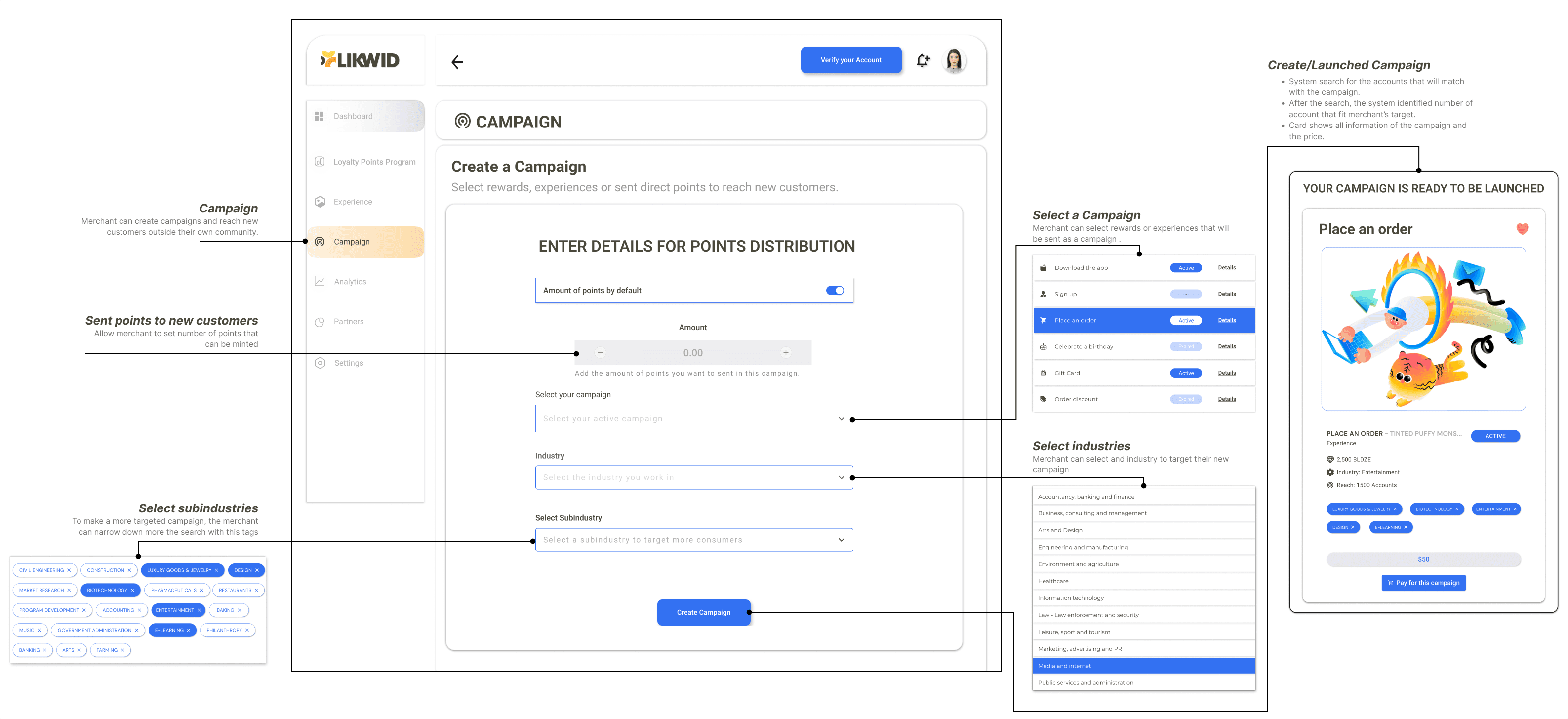
Introducing, merchant web portals:

Introducing, merchant web portals:

Introducing, merchant web portals:

In this particular case study, I’m showcasing some essential parts of the final prototype, but still unifying all the flows so the reader can navigate more easily.

In this particular case study, I’m showcasing some essential parts of the final prototype, but still unifying all the flows so the reader can navigate more easily.

In this particular case study, I’m showcasing some essential parts of the final prototype, but still unifying all the flows so the reader can navigate more easily.

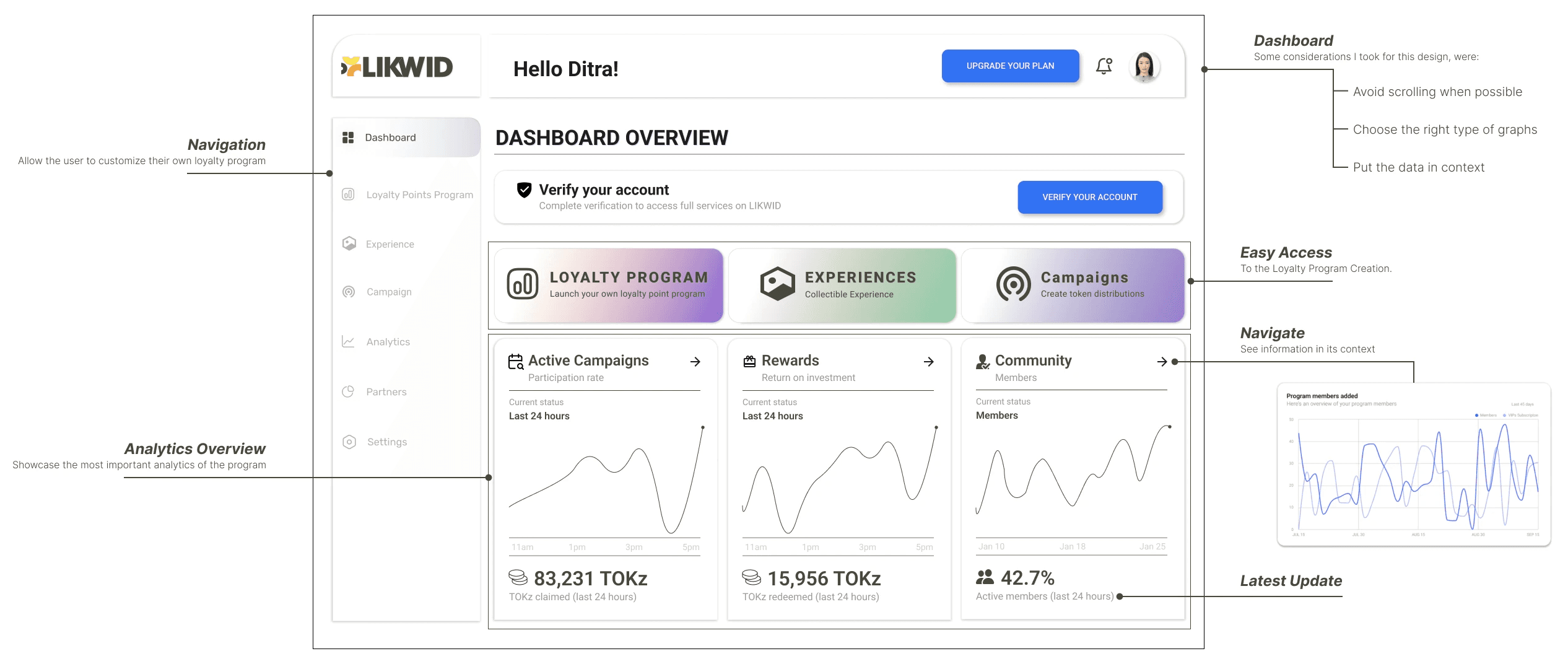
Findability of items

The design approach focused on enhancing visibility and making each item stand out, ensuring that users can easily locate and access the information they're looking for.
Progressive disclosure 

It was important for me to introduce information across multiple screens to decrease cognitive load. The importance of empowering users with the ability to precisely filter information, enabling them to tailor their experience to their specific needs and preferences.
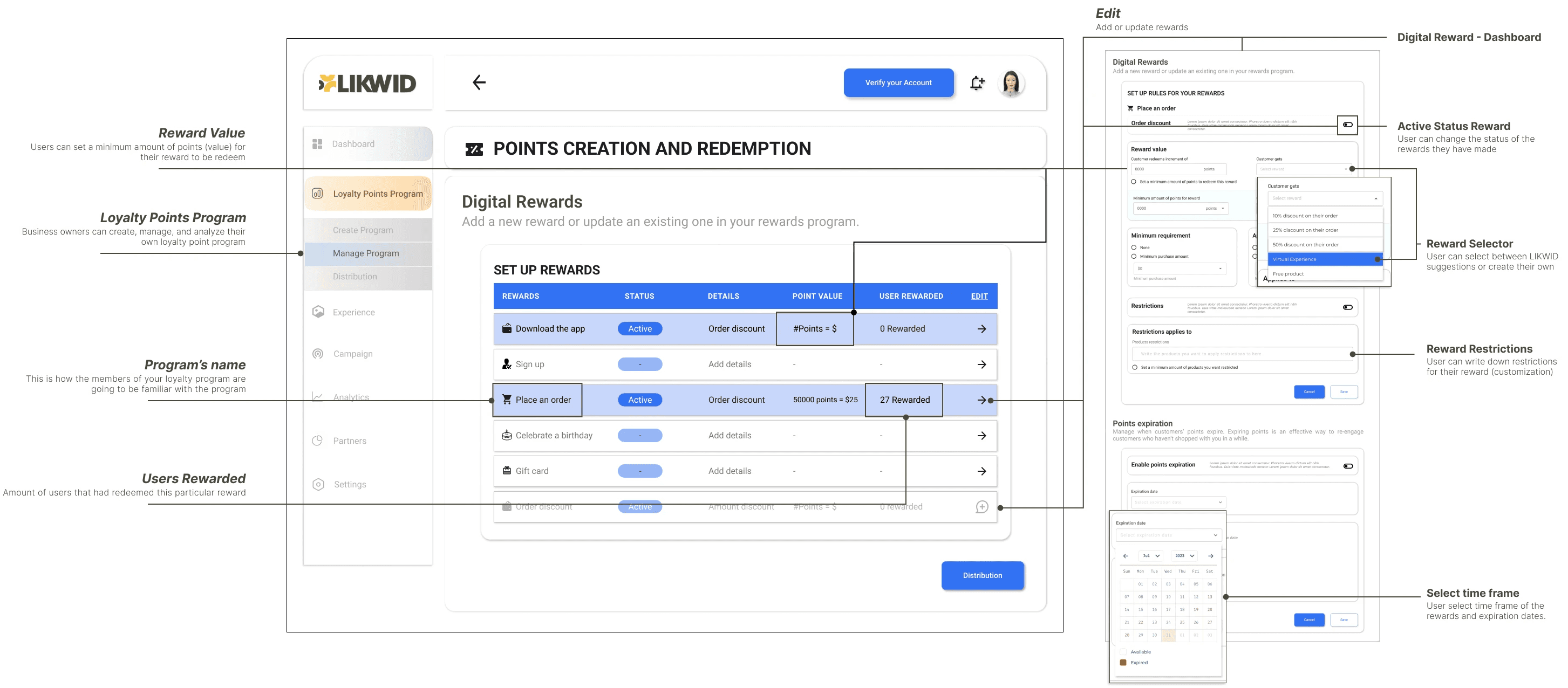
Why filters matter

filtering was crucial for some parts of the project. The users can toggle information on and off like a light switch, customizing their actions to fit their needs.
Stage 4

Stage 4

Delivery

Testing - 12 surverys later

I conducted 12 usability test with 12 merchants to collect information on what to iterate. Below are some of the most relevant topics we focused on in this particular case.
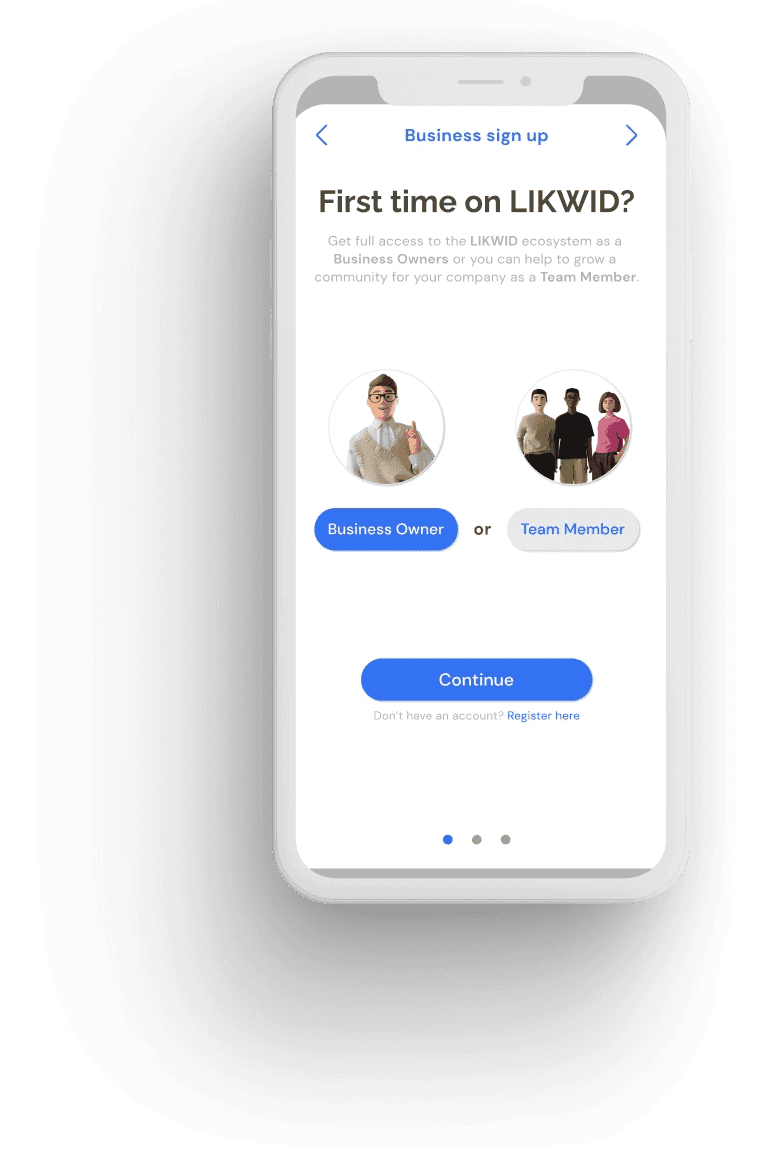
Clear distinction during the account sign-up.

The sign-up process for merchant wasn’t clear. The confusion came because merchant has two options to create his account: create an account as a business owner (full access of the LIKWID platform) or create an account as a team member (full access for the local app). With this iteration, I make sure to create a clear distinction during the account sign-up process using illustrations.

A new section in the NAVBAR

New icon was added from the navbar for easy access to send points and rewards to customers from the physical store.
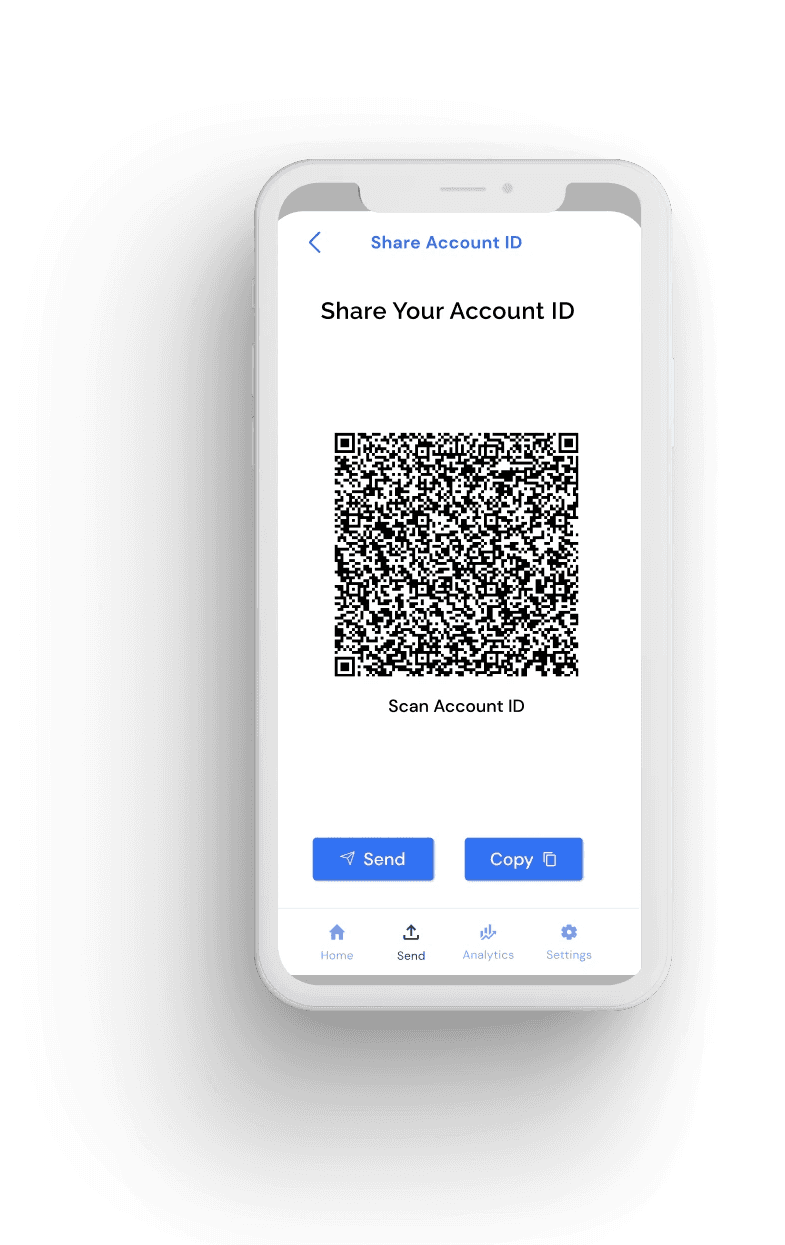
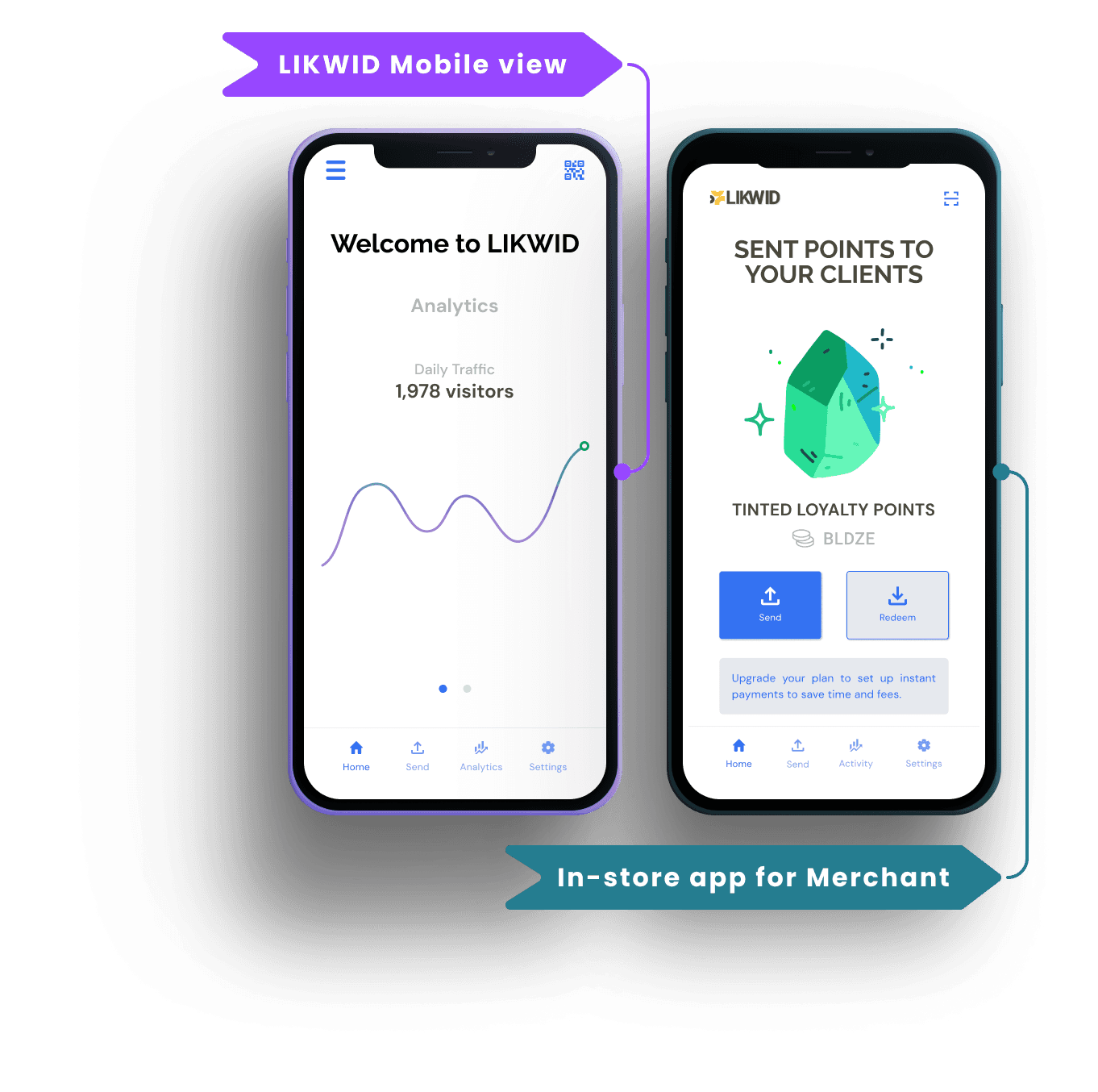
Different Layouts for the mobile version with a clear objective

To effectively serve both merchants and consumers, Likwid's mobile version requires distinct layouts tailored to the unique needs of each user group. Merchants, who need tools for managing their business, would benefit from a dashboard-style layout that prioritizes quick access to inventory, sales data, and customer interactions.

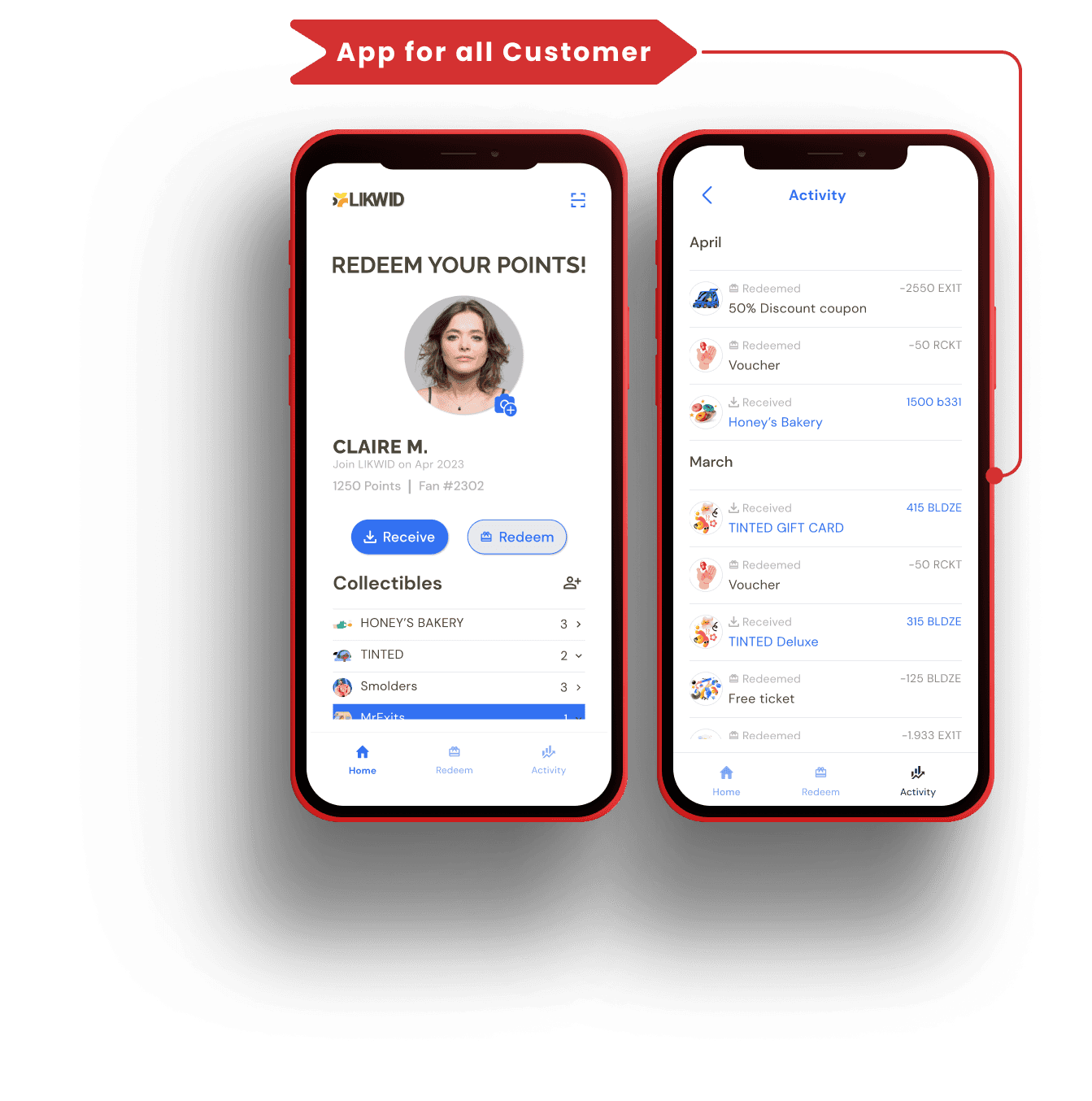
On the other hand, consumers are focused on discovering products and making purchases, so their layout should be simple, intuitive, and visually appealing, highlighting products, promotions, and a seamless checkout process.


By establishing a clear distinction between these two experiences, we ensure that each user type can easily navigate the app and achieve their specific objectives, whether managing a business or shopping for products.


Even though we had some changes to make,
95% user found it easy to use

95% user found it easy to use

95% user found it easy to use

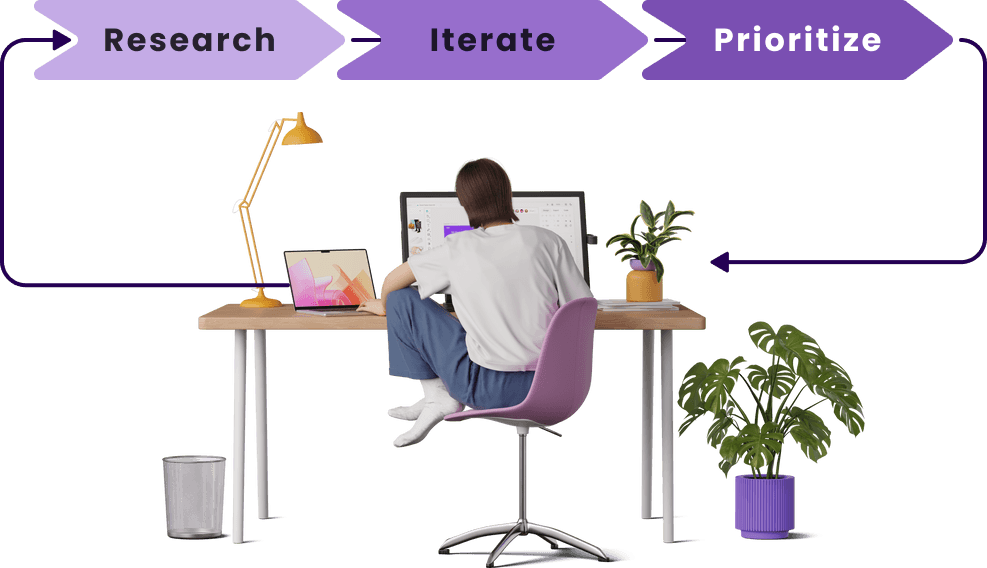
The design process was iterative from start to end.

From changing components to re-designing entire wireframes, I iterated and tested until we reached 95% user satisfaction.

The design process was iterative from start to end.

From changing components to re-designing entire wireframes, I iterated and tested until we reached 95% user satisfaction.

The design process was iterative from start to end.

From changing components to re-designing entire wireframes, I iterated and tested until we reached 95% user satisfaction.

Finally,

Finally,

Obstacles and Reflections

Obstacles and Reflections

Overcoming time

Running into obstacles is just part of any project.

One challenge we had was that user feedback was coming in pretty slowly. Stakeholders were eager to pitch in, but time was tight for everyone.

To keep things moving, I started reviewing feedback as it came in so we could make quick changes. I also took the time to explain to stakeholders how their input would shape our design and development decisions.

Another challenge was the huge number of feature requests from the start.

With a tight budget, I worked closely with the product and engineering managers to prioritize the features, making sure we focused on what mattered most to the team and users.

  • The AHA moment! came when we did “affinity mapping”: a categorization of the most critical issues to be dealt with at the end goal. We determined 3 essential stages in Blokdemy's journey, to reach its end goal, starting with:


    Marketing / Attraction (which is the stage we decided to focus on in this particular Sprint)

    Followed by, Sales / Conversion,

    Finishing with, Admissions / Experience.​


    Within this activity, there were discussions regarding the types of users that would use the product, ranging from students to future partners. All this work was done taking into account the proposed two-year end goal.


  • Then each participant created their own lightning demos, where they shared their personal vision on a short presentation of inspiring ideas from competitors or even from other sectors.

    ​— We talked about how they picture the company in the future.

    — And we had a discussion about future plans as a team and how to approach these plans as a team.

This experience taught me the importance of prioritizing features that deliver the most value to both users and the business. By focusing on the core functionalities that would drive user engagement and loyalty, we were able to create a product that met the most critical needs while leaving room for future enhancements. This balancing act was a valuable lesson in how to manage expectations and deliver a product that satisfies all stakeholders.

This experience taught me the importance of prioritizing features that deliver the most value to both users and the business. By focusing on the core functionalities that would drive user engagement and loyalty, we were able to create a product that met the most critical needs while leaving room for future enhancements. This balancing act was a valuable lesson in how to manage expectations and deliver a product that satisfies all stakeholders.

Let's talk

Think we can work together? You can reach out to me through Linkedin

All Rigths Reserved © 2024. Website made by Maria Acevedo

Let's talk

Think we can work together? You can reach out to me through Linkedin

All Rigths Reserved © 2024. Website made by Maria Acevedo

Let's talk


Think we can work together? You can reach out to me through Linkedin

All Rigths Reserved © 2024.

Website made by Maria Acevedo